Description
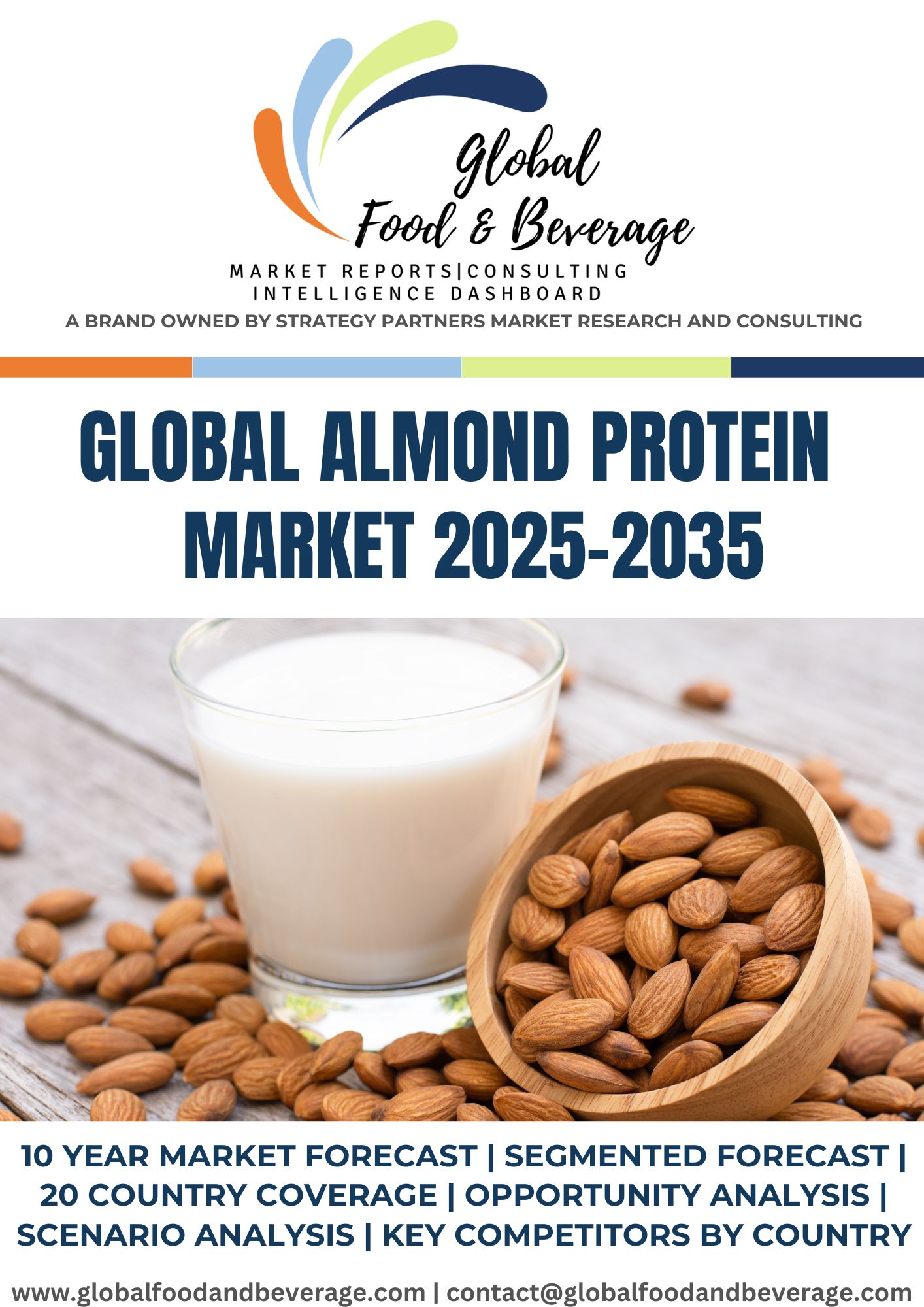
Almond protein has gained significant attention as a plant-based protein source that offers both nutritional benefits and versatility for a variety of dietary needs. Derived from almonds, which are naturally rich in healthy fats, vitamins, minerals, and fiber, almond protein is an appealing option for those seeking alternatives to animal-derived proteins or looking to diversify their protein intake. Its rise in popularity aligns with growing consumer interest in plant-based nutrition, clean-label ingredients, and sustainable food sources.
The process of obtaining almond protein typically involves removing much of the fat content from almonds, often through cold pressing or other oil extraction techniques, leaving behind a protein-rich almond meal or flour. This product can then be further processed into almond protein powder. This powder retains much of the nutritional value of almonds but provides a concentrated source of protein with reduced fat and carbohydrates compared to whole almonds. Almond protein is naturally gluten-free and free from common allergens such as dairy and soy, making it suitable for various dietary restrictions and preferences.
Nutritionally, almond protein offers a balanced profile of essential amino acids, although like many plant proteins, it may be lower in certain amino acids such as lysine compared to animal proteins. Nonetheless, when consumed as part of a varied diet that includes complementary protein sources, almond protein can effectively contribute to daily protein requirements. It is also abundant in micronutrients such as vitamin E, magnesium, and calcium, which are associated with antioxidant protection, bone health, and metabolic function.
The texture and flavor of almond protein powder tend to be mild and slightly nutty, which allows for easy incorporation into a range of food and beverage products without overpowering other ingredients. This characteristic makes almond protein an excellent choice for smoothies, protein shakes, baked goods, and snack bars. It also works well in plant-based dairy alternatives like almond milk or yogurt, enhancing their protein content without compromising taste or mouthfeel.
From a functional standpoint, almond protein exhibits good solubility and emulsifying properties, which contribute to its versatility in food formulation. It can improve texture, moisture retention, and overall sensory qualities in protein-enriched products. Moreover, almond protein’s fiber content supports digestive health and may contribute to feelings of satiety, which is beneficial for weight management and metabolic regulation.
Sustainability is another factor that has fueled the interest in almond protein. Compared to animal protein production, plant-based proteins generally require fewer natural resources such as water and land, and they produce lower greenhouse gas emissions. Almond cultivation does have environmental considerations, particularly regarding water use, but ongoing innovations in agricultural practices aim to enhance water efficiency and reduce ecological impacts. The use of almonds to produce protein powder is a way to add value to this crop and meet the demands of environmentally conscious consumers.
The market for almond protein has expanded alongside the broader trend of plant-based nutrition, with manufacturers developing specialized products targeting athletes, health enthusiasts, and individuals with specific dietary needs. Almond protein is often combined with other plant proteins like pea or rice protein to create blends that offer a more complete amino acid profile and improved functional properties. Such blends capitalize on the complementary strengths of each protein source and cater to the growing demand for clean-label, allergen-friendly, and sustainable nutrition products.
In addition to food and beverage applications, almond protein is also explored in dietary supplements and medical nutrition products. Its hypoallergenic nature and digestibility make it suitable for inclusion in formulas designed for sensitive populations or those with compromised digestion. The mild taste and texture also facilitate its use in formulations where flavor neutrality is important.
Scientific research continues to investigate the potential health benefits of almond protein beyond basic nutrition. Preliminary studies suggest that almond protein, together with other almond components, may support cardiovascular health by helping to regulate blood lipid levels and promote healthy blood pressure. Antioxidant compounds present in almonds, including polyphenols, may work synergistically with the protein fraction to reduce oxidative stress and inflammation. Such attributes position almond protein not only as a macronutrient source but also as a contributor to overall health and wellness.
Challenges in almond protein production and utilization include maintaining product stability, preventing oxidation of residual fats, and addressing allergen concerns for those sensitive to tree nuts. Manufacturers must employ careful processing techniques to preserve protein integrity and ensure product safety. Additionally, the taste and texture, while generally mild, may require masking or enhancement in certain applications to meet consumer preferences.
Consumer perceptions of almond protein are generally positive, driven by its natural image, health benefits, and compatibility with popular dietary trends such as veganism, paleo, and clean eating. Packaging and marketing strategies often emphasize the plant-based origin, nutritional advantages, and environmental sustainability to appeal to a wide audience. As awareness grows, almond protein is positioned to become a staple ingredient in the evolving landscape of alternative proteins.
In summary, almond protein represents a valuable plant-based protein source with a balanced nutritional profile, functional versatility, and potential health benefits. Its mild flavor and compatibility with various food systems make it an attractive ingredient for both consumers and manufacturers. Supported by increasing consumer demand for sustainable and allergen-friendly nutrition, almond protein continues to expand its role in the protein market, contributing to diversified dietary options and innovative food product development.
Table of Content
1 Market Introduction- Global Almond Protein Market
1.1 Market Segmentation- Global Almond Protein Market
1.2 Key Trends- Global Almond Protein Market
1.2.1 Drivers
1.2.2 Restraints
1.2.3 Challenges
2 Global Market Forecast- Global Almond Protein Market
1. By Region
2. By Source
3. By Distribution Channel
4. By Application
3 Country Wise Forecast- Global Almond Protein Market
3.1 US
3.1.1 Key Trends
3.1.2 Source Spending
o Population
o GDP
o CPI
o Spend per Capita
o Spend as a proportion of GDP
3.1.3 Market Forecast- US Almond Protein Market
1. By Source
2. By Distribution Channel
3. By Application
3.1.4 Key Competitors- US Almond Protein Market
3.1.5 EXIM
3.1.6 Patents
3.1.7 Scenario Analysis- US Almond Protein Market
3.1.8 Opportunity Analysis- US Almond Protein Market
3.2 Canada
3.2.1 Key Trends
3.2.2 Source Spending
o Population
o GDP
o CPI
o Spend per Capita
o Spend as a proportion of GDP
3.2.3 Market Forecast- Canada Almond Protein Market
1.By Source
2.By Distribution Channel
3.By Application
3.2.4 Key Competitors- Canada Almond Protein Market
3.2.5 EXIM
3.2.6 Patents
3.2.7 Scenario Analysis- Canada Almond Protein Market
3.2.8 Opportunity Analysis- Canada Almond Protein Market
3.3 UK
3.3.1 Key Trends
3.3.2 Source Spending
o Population
o GDP
o CPI
o Spend per Capita
o Spend as a proportion of GDP
3.3.3 Market Forecast- UK Almond Protein Market
1.By Source
2.By Distribution Channel
3.By Application
3.3.4 Key Competitors- UK Almond Protein Market
3.3.5 EXIM
3.3.6 Patents
3.3.7 Scenario Analysis- UK Almond Protein Market
3.3.8 Opportunity Analysis- UK Almond Protein Market
3.4 Germany
3.4.1 Key Trends
3.4.2 Source Spending
o Population
o GDP
o CPI
o Spend per Capita
o Spend as a proportion of GDP
3.4.3 Market Forecast- Germany Almond Protein Market
1.By Source
2.By Distribution Channel
3.By Application
3.4.4 Key Competitors- Germany Almond Protein Market
3.4.5 EXIM
3.4.6 Patents
3.4.7 Scenario Analysis- Germany Almond Protein Market
3.4.8 Opportunity Analysis- Germany Almond Protein Market
3.5 France
3.5.1 Key Trends
3.5.2 Source Spending
o Population
o GDP
o CPI
o Spend per Capita
o Spend as a proportion of GDP
3.5.3 Market Forecast- France Almond Protein Market
1.By Source
2.By Distribution Channel
3.By Application
3.5.4 Key Competitors- France Almond Protein Market
3.5.5 EXIM
3.5.6 Patents
3.5.7 Scenario Analysis- France Almond Protein Market
3.5.8 Opportunity Analysis- France Almond Protein Market
3.6 Italy
3.6.1 Key Trends
3.6.2 Source Spending
o Population
o GDP
o CPI
o Spend per Capita
o Spend as a proportion of GDP
3.6.3 Market Forecast- Italy Almond Protein Market
1.By Source
2.By Distribution Channel
3.By Application
3.6.4 Key Competitors- Italy Almond Protein Market
3.6.5 EXIM
3.6.6 Patents
3.6.7 Scenario Analysis- Italy Almond Protein Market
3.6.8 Opportunity Analysis- Italy Almond Protein Market
3.7 Ireland
3.7.1 Key Trends
3.7.2 Source Spending
o Population
o GDP
o CPI
o Spend per Capita
o Spend as a proportion of GDP
3.7.3 Market Forecast- Ireland Almond Protein Market
1.By Source
2.By Distribution Channel
3.By Application
3.7.4 Key Competitors- Ireland Almond Protein Market
3.7.5 EXIM
3.7.6 Patents
3.7.7 Scenario Analysis- Ireland Almond Protein Market
3.7.8 Opportunity Analysis- Ireland Almond Protein Market
3.8 Spain
3.8.1 Key Trends
3.8.2 Source Spending
o Population
o GDP
o CPI
o Spend per Capita
o Spend as a proportion of GDP
3.8.3 Market Forecast- Spain Almond Protein Market
1.By Source
2.By Distribution Channel
3.By Application
3.8.4 Key Competitors- Spain Almond Protein Market
3.8.5 EXIM
3.8.6 Patents
3.8.7 Scenario Analysis- Spain Almond Protein Market
3.8.8 Opportunity Analysis- Spain Almond Protein Market
3.9 Belgium
3.9.1 Key Trends
3.9.2 Source Spending
o Population
o GDP
o CPI
o Spend per Capita
o Spend as a proportion of GDP
3.9.3 Market Forecast- Belgium Almond Protein Market
1.By Source
2.By Distribution Channel
3.By Application
3.9.4 Key Competitors- Belgium Almond Protein Market
3.9.5 EXIM
3.9.6 Patents
3.9.7 Scenario Analysis- Belgium Almond Protein Market
3.9.8 Opportunity Analysis- Belgium Almond Protein Market
3.10 Switzerland
3.10.1 Key Trends
3.10.2 Source Spending
o Population
o GDP
o CPI
o Spend per Capita
o Spend as a proportion of GDP
3.10.3 Market Forecast- Switzerland Almond Protein Market
1.By Source
2.By Distribution Channel
3.By Application
3.10.4 Key Competitors- Switzerland Almond Protein Market
3.10.5 EXIM
3.10.6 Patents
3.10.7 Scenario Analysis- Switzerland Almond Protein Market
3.10.8 Opportunity Analysis- Switzerland Almond Protein Market
3.11 Sweden
3.11.1 Key Trends
3.11.2 Source Spending
o Population
o GDP
o CPI
o Spend per Capita
o Spend as a proportion of GDP
3.11.3 Market Forecast- Sweden Almond Protein Market
1.By Source
2.By Distribution Channel
3.By Application
3.11.4 Key Competitors- Sweden Almond Protein Market
3.11.5 EXIM
3.11.6 Patents
3.11.7 Scenario Analysis- Sweden Almond Protein Market
3.11.8 Opportunity Analysis- Sweden Almond Protein Market
3.12 Portugal
3.12.1 Key Trends
3.12.2 Source Spending
o Population
o GDP
o CPI
o Spend per Capita
o Spend as a proportion of GDP
3.12.3 Market Forecast- Portugal Almond Protein Market
1.By Source
2.By Distribution Channel
3.By Application
3.12.4 Key Competitors- Portugal Almond Protein Market
3.12.5 EXIM
3.12.6 Patents
3.12.7 Scenario Analysis- Portugal Almond Protein Market
3.12.8 Opportunity Analysis- Portugal Almond Protein Market
3.13 The Netherlands
3.13.1 Key Trends
3.13.2 Source Spending
o Population
o GDP
o CPI
o Spend per Capita
o Spend as a proportion of GDP
3.13.3 Market Forecast- Netherlands Almond Protein Market
1.By Source
2.By Distribution Channel
3.By Application
3.13.4 Key Competitors- Netherlands Almond Protein Market
3.13.5 EXIM
3.13.6 Patents
3.13.7 Scenario Analysis- Netherlands Almond Protein Market
3.13.8 Opportunity Analysis- Netherlands Almond Protein Market
3.14 Brazil
3.14.1 Key Trends
3.14.2 Source Spending
o Population
o GDP
o CPI
o Spend per Capita
o Spend as a proportion of GDP
3.14.3 Market Forecast- Brazil Almond Protein Market
1.By Source
2.By Distribution Channel
3.By Application
3.14.4 Key Competitors- Brazil Almond Protein Market
3.14.5 EXIM
3.14.6 Patents
3.14.7 Scenario Analysis- Brazil Almond Protein Market
3.14.8 Opportunity Analysis- Brazil Almond Protein Market
3.15 Mexico
3.15.1 Key Trends
3.15.2 Source Spending
o Population
o GDP
o CPI
o Spend per Capita
o Spend as a proportion of GDP
3.15.3 Market Forecast- Mexico Almond Protein Market
1.By Source
2.By Distribution Channel
3.By Application
3.15.4 Key Competitors- Mexico Almond Protein Market
3.15.5 EXIM
3.15.6 Patents
3.15.7 Scenario Analysis- Mexico Almond Protein Market
3.15.8 Opportunity Analysis- Mexico Almond Protein Market
3.16 Australia
3.16.1 Key Trends
3.16.2 Source Spending
o Population
o GDP
o CPI
o Spend per Capita
o Spend as a proportion of GDP
3.16.3 Market Forecast- Australia Almond Protein Market
1.By Source
2.By Distribution Channel
3.By Application
3.16.4 Key Competitors- Australia Almond Protein Market
3.16.5 EXIM
3.16.6 Patents
3.16.7 Scenario Analysis- Australia Almond Protein Market
3.16.8 Opportunity Analysis- Australia Almond Protein Market
3.17 China
3.17.1 Key Trends
3.17.2 Source Spending
o Population
o GDP
o CPI
o Spend per Capita
o Spend as a proportion of GDP
3.17.3 Market Forecast- China Almond Protein Market
1.By Source
2.By Distribution Channel
3.By Application
3.17.4 Key Competitors- China Almond Protein Market
3.17.5 EXIM
3.17.6 Patents
3.17.7 Scenario Analysis- China Almond Protein Market
3.17.8 Opportunity Analysis- China Almond Protein Market
3.18 Indonesia
3.18.1 Key Trends
3.18.2 Source Spending
o Population
o GDP
o CPI
o Spend per Capita
o Spend as a proportion of GDP
3.18.3 Market Forecast- Indonesia Almond Protein Market
1.By Source
2.By Distribution Channel
3.By Application
3.18.4 Key Competitors- Indonesia Almond Protein Market
3.18.5 EXIM
3.18.6 Patents
3.18.7 Scenario Analysis- Indonesia Almond Protein Market
3.18.8 Opportunity Analysis- Indonesia Almond Protein Market
3.19 India
3.19.1 Key Trends
3.19.2 Source Spending
o Population
o GDP
o CPI
o Spend per Capita
o Spend as a proportion of GDP
3.19.3 Market Forecast- India Almond Protein Market
1.By Source
2.By Distribution Channel
3.By Application
3.19.4 Key Competitors- India Almond Protein Market
3.19.5 EXIM
3.19.6 Patents
3.19.7 Scenario Analysis- India Almond Protein Market
3.19.8 Opportunity Analysis- India Almond Protein Market
3.20 Japan
3.20.1 Key Trends
3.20.2 Source Spending
o Population
o GDP
o CPI
o Spend per Capita
o Spend as a proportion of GDP
3.20.3 Market Forecast- Japan Almond Protein Market
1.By Source
2.By Distribution Channel
3.By Application
3.20.4 Key Competitors- Japan Almond Protein Market
3.20.5 EXIM
3.20.6 Patents
3.20.7 Scenario Analysis- Japan Almond Protein Market
3.20.8 Opportunity Analysis- Japan Almond Protein Market
3.21 South Korea
3.21.1 Key Trends
3.21.2 Source Spending
o Population
o GDP
o CPI
o Spend per Capita
o Spend as a proportion of GDP
3.21.3 Market Forecast- South Korea Almond Protein Market
1.By Source
2.By Distribution Channel
3.By Application
3.21.4 Key Competitors- South Korea Almond Protein Market
3.21.5 EXIM
3.21.6 Patents
3.21.7 Scenario Analysis- South Korea Almond Protein Market
3.21.8 Opportunity Analysis- South Korea Almond Protein Market
3.22 Thailand
3.22.1 Key Trends
3.22.2 Source Spending
o Population
o GDP
o CPI
o Spend per Capita
o Spend as a proportion of GDP
3.22.3 Market Forecast- Thailand Almond Protein Market
1.By Source
2.By Distribution Channel
3.By Application
3.22.4 Key Competitors- Thailand Almond Protein Market
3.22.5 EXIM
3.22.6 Patents
3.22.7 Scenario Analysis- Thailand Almond Protein Market
3.22.8 Opportunity Analysis- Thailand Almond Protein Market
3.23 Malaysia
3.23.1 Key Trends
3.23.2 Source Spending
o Population
o GDP
o CPI
o Spend per Capita
o Spend as a proportion of GDP
3.23.3 Market Forecast- Malaysia Almond Protein Market
1.By Source
2.By Distribution Channel
3.By Application
3.23.4 Key Competitors- Malaysia Almond Protein Market
3.23.5 EXIM
3.23.6 Patents
3.23.7 Scenario Analysis- Malaysia Almond Protein Market
3.23.8 Opportunity Analysis- Malaysia Almond Protein Market
3.24 Singapore
3.24.1 Key Trends
3.24.2 Source Spending
o Population
o GDP
o CPI
o Spend per Capita
o Spend as a proportion of GDP
3.24.3 Market Forecast- Singapore Almond Protein Market
1.By Source
2.By Distribution Channel
3.By Application
3.24.4 Key Competitors- Singapore Almond Protein Market
3.24.5 EXIM
3.24.6 Patents
3.24.7 Scenario Analysis- Singapore Almond Protein Market
3.24.8 Opportunity Analysis- Singapore Almond Protein Market
4 Opportunity Matrix- Global Almond Protein Market
5 Conclusions and Recommendations- Global Almond Protein Market
6 About Global Food & Beverages